
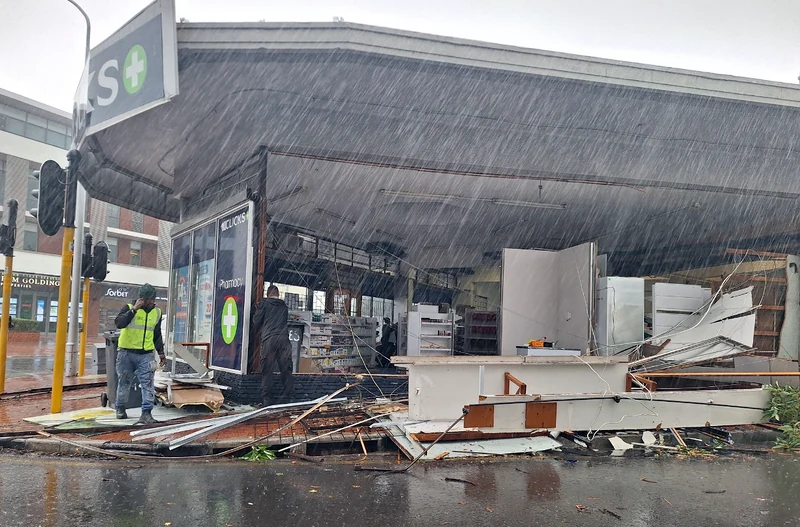
South Africa’s weather extremes are becoming harder to treat as isolated incidents. When a cold front slams the Western Cape, roads turn impassable, schools shut their gates, and families and businesses are forced into instant triage. The recent storm sequence in the province, which left one person dead and flooded communities across Cape Town and beyond, is a sharp reminder that resilience now has to be built into everyday planning, not added after the damage is done.
For business owners, entrepreneurs, and local leaders, the question is no longer whether severe weather will disrupt operations, but how quickly people can respond, recover, and adapt. The good news is that South Africans are already developing practical ways to do this, from better warning systems and stronger public private coordination to community-led action that reduces risk before the rain starts falling.
Why the latest Western Cape storm matters
The Western Cape event showed how quickly a weather system can become an economic problem. Flooded roads, damaged homes, suspended learner transport, and school closures all interrupt daily commerce. When schools close across a province, parents miss work, small traders lose foot traffic, and logistics schedules slip. When bridges and routes are cut off, deliveries stall and service businesses sit idle.
Agriculture feels the shock even faster. The Western Cape is a major farming region, and repeated flooding can damage vineyards, orchards, fields, and livestock in ways that take more than one season to fix. For tourism businesses, storms also leave a second layer of pain. Visitors cancel trips when coastal routes, trails, and attractions look risky or inaccessible, and the recovery in confidence can lag behind the physical cleanup.
There is another cost that often arrives later. After repeated flooding, insurers reassess risk. Premiums rise, cover becomes harder to secure, and small firms in exposed areas are left carrying more of the burden themselves. For already stretched households and operators, that can turn a weather event into a long-term financial setback.
What communities are doing differently
Resilience starts at neighbourhood level. In flood-prone areas, local committees and resident groups are becoming more organised about what happens before a storm and after one. That includes identifying safe spaces, sharing emergency contacts, and agreeing on who checks on elderly residents or households with mobility challenges.
Some communities are also taking a hands-on approach to drainage and waste. Clearing stormwater channels, removing rubble, and keeping culverts open may sound basic, but blocked water pathways can be the difference between a nuisance and a disaster. In many informal settlements and low-lying areas, even modest maintenance can reduce the speed and depth of flooding.
Nature is part of the solution too. Restoring wetlands, protecting riverbanks, and planting vegetation that holds soil in place can help slow runoff and absorb heavy rain. These approaches are not a substitute for infrastructure, but they can take pressure off drains, roads, and river systems when storms hit hard.
Education remains one of the most effective tools. Households that know evacuation routes, pack emergency kits, and understand where to get verified alerts are more likely to stay safe. A simple kit should cover water, non-perishable food, first aid supplies, blankets, flashlights, and copies of key documents stored in waterproof containers.
How business continuity changes the outcome
For entrepreneurs, climate readiness should sit alongside cash flow and sales strategy. A basic continuity plan can save a business from folding after a single severe event. The first step is to map the essentials, what must stay running, what can pause, and who makes decisions if staff cannot get to the workplace.
Data protection is central. Cloud backups, off-site storage, and secure remote access prevent a flood from destroying customer records, invoices, and inventory systems. Businesses that depend on tills, booking platforms, or communications should also plan for power outages by using generators, UPS devices, or solar battery systems where feasible.
Physical protection matters as well. Equipment and appliances placed above expected flood levels are less likely to be ruined. Sandbags, temporary barriers, sealed entry points, and improved slope and drainage around buildings can reduce water ingress. Routine maintenance, especially roof inspections and gutter cleaning, is still one of the cheapest forms of loss prevention available.
Insurance deserves a careful review. Many owners assume their policies cover everything, only to discover that flood damage, business interruption, or stock replacement sits outside the fine print. A pre-season policy check is far cheaper than trying to recover after the fact.
The technology improving early warning
South Africa is not starting from zero. The South African Weather Service has been strengthening its use of radar, satellite data, and forecasting models to give more precise warnings for dangerous weather. That matters because a warning that arrives with enough lead time can move families, protect stock, and help municipalities stage their response before roads are underwater.
Mobile alerts are becoming just as important as meteorology. SMS and WhatsApp warnings can reach people in areas where internet access is unreliable, and they can be passed along quickly through family groups, community networks, and business teams. In practice, that means a shop owner or school parent can get a message early enough to change plans before the commute starts.
Provincial and local disaster centres are also using geographic information systems to layer flood maps over settlement and infrastructure data. That helps identify which roads, schools, and neighbourhoods are most exposed, and where evacuations or repairs should be prioritised. After a disaster, drones can survey inaccessible areas and reveal damage more quickly than ground teams alone, speeding up decisions about repairs and relief.
Researchers and startups are now testing artificial intelligence models that combine weather history, topography, and hydrological data to sharpen predictions for specific basins and neighbourhoods. The practical goal is not futuristic spectacle. It is more accurate local warnings with enough detail to help real people make real decisions.
Why partnerships are doing heavy lifting
The Western Cape response also shows that disaster management is now a team sport. Provincial and municipal disaster centres coordinate warnings, evacuations, and emergency services. NGOs such as Gift of the Givers and the Red Cross often arrive with food, blankets, shelter support, and trauma assistance long before longer-term rebuilding begins.
The private sector has a major role too. Retailers, logistics firms, and manufacturers can donate goods, transport, warehousing, and specialist staff. Engineering and construction companies are often needed to restore roads, bridges, water systems, and other critical links that keep local economies alive.
That collaboration works best when it happens before the next event, not in the middle of the crisis. Shared contact lists, volunteer training, and pre-agreed supply chains shorten response time and reduce confusion. In a country with wide inequality and uneven municipal capacity, those links can make the difference between managed disruption and prolonged hardship.
What South Africa can build from here
Climate shocks are going to keep testing the country. The more useful question is whether the response becomes more local, more coordinated, and more inventive each time. South Africa already has the building blocks for that future: stronger forecasting, smarter alerts, community action, and a private sector that understands continuity is part of competitiveness.
The next step is to make resilience routine. That means municipalities keeping drains and culverts clear, businesses treating continuity plans as essential, households preparing for outages and flooding before the rain starts, and disaster agencies using data and partnerships to act faster.
If the Western Cape storm has a broader lesson, it is that recovery is no longer just about rebuilding what was lost. It is about designing communities and businesses that can absorb the next shock, restart quickly, and keep moving.